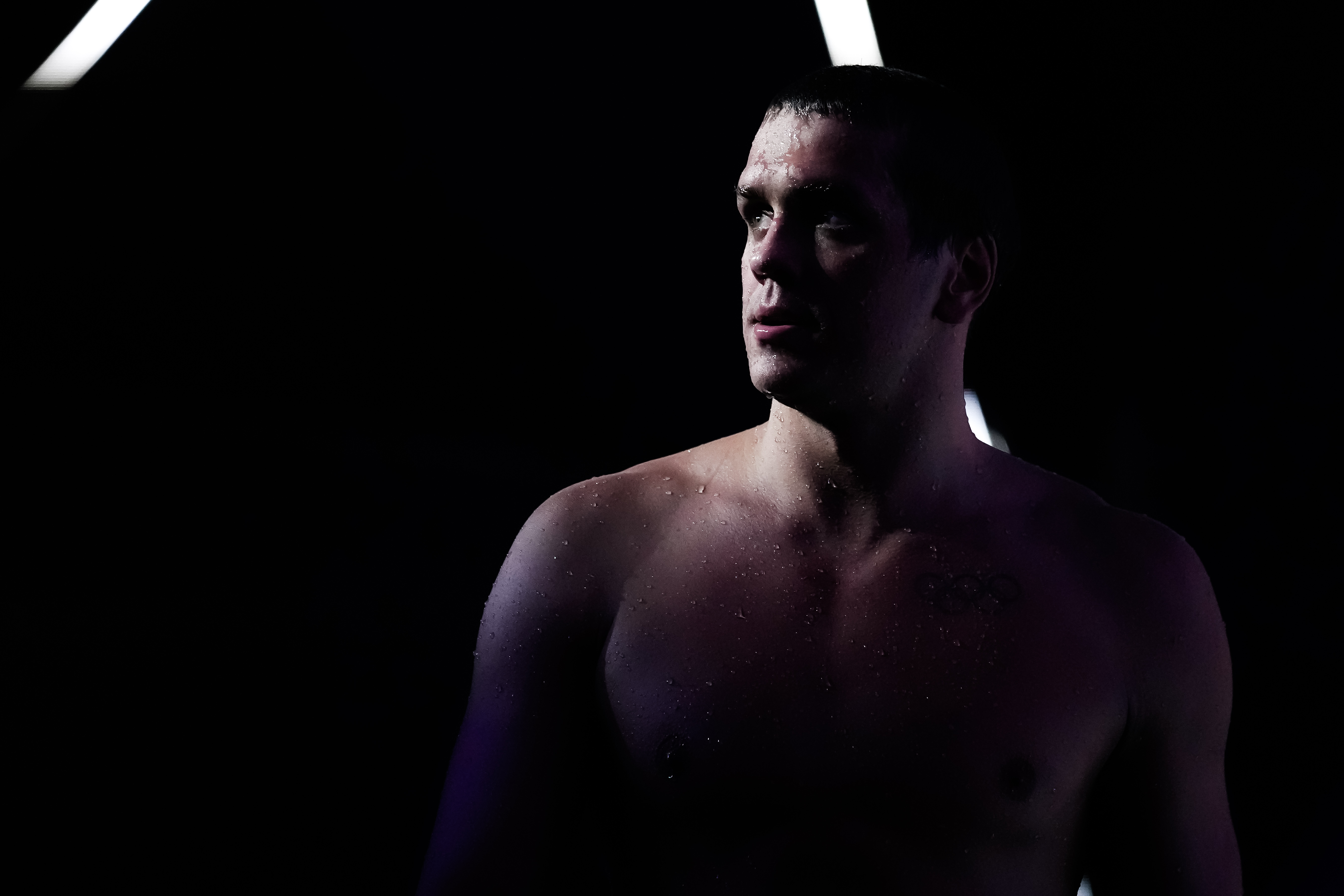
There's a moment every competitive swimmer knows. The long whistle blows. You step up on the block. Your heart rate spikes, your hands might be shaking slightly, and there's a voice somewhere in your head saying something unhelpful.
Most coaches call that anxiety. Most coaches tell you to calm down. I'm here to tell you that's the wrong diagnosis — and because it's the wrong diagnosis, "calm down" is the wrong prescription.
Stress vs. Anxiety: The Distinction That Changes Everything
Flash Technique is a framework developed by sport psychologists to explain the mental experience of high-performance competition. The core insight is simple but powerful: stress and anxiety are not the same thing.
Stress is a physiological response to a real, present challenge. Your heart rate goes up. Blood flow shifts to your muscles. Your senses sharpen. This is your body preparing to perform — and it's useful. You want this. The problem is that most athletes interpret this state as anxiety, which is a response to a perceived threat that doesn't actually exist.
"The feeling behind the blocks isn't anxiety. It's stress — your body preparing to perform. The difference between the athletes who use it and the ones it destroys is interpretation."
Anxiety is forward-looking, story-based fear. "What if I false start?" "What if I lose?" "What if I disappoint my coach?" None of these are happening right now. They're mental projections into a future that doesn't exist yet. And when you're standing on a block with six seconds until the start, your brain does not have the bandwidth to process race strategy and fictional catastrophes at the same time.
Flash Technique teaches athletes to use a tool called PART — a four-step process for rapidly clearing anxiety in competition. The goal isn't to feel nothing. The goal is to strip away the anxiety that isn't real, so the stress that remains can do its job.
The Lion Behind the Blocks
I use a specific image when I work with athletes on this. I call it the lion.
Think about how a lion moves before a hunt. It doesn't pace nervously. It doesn't second-guess itself. It doesn't replay the last hunt that went wrong. It is completely, totally present — locked onto the moment, ready to move. The physiological state of a lion before it attacks is actually very similar to the physiological state of a human under competitive stress. Heart rate elevated. Senses sharp. Every system primed.
The difference is that the lion doesn't interpret that state as a problem. It just acts.
That's the goal. Not to be calm. To be a lion — fully activated, fully present, with zero mental noise between you and the race.
What This Looks Like in Practice
I've used these tools competing at the Olympic level, at World Championships, at NCAA finals. The technique isn't about eliminating the nervous system response — that's impossible and counterproductive. It's about clearing the mental interference that sits on top of it.
When the long whistle blows and I step up on the block, the physical sensations are the same as they've always been. Heart going. Hands aware. Body ready. What changed over years of working with sport psychologists is that I stopped telling a story about those sensations. I stopped interpreting them as danger. I started using them as signal: the engine is on.
"You can't think your way to a great race. But you can clear the noise that's standing between you and one."
Why Coaches Need to Teach This
Most swim programs spend enormous time on stroke mechanics, race strategy, and physical conditioning. Almost none spend time teaching athletes how to manage their mental state in competition. This is a gap — and it shows up in meets constantly.
You've seen it. The swimmer who trains brilliantly but folds at the big meet. The athlete who drops time in practice for three months and then swims slower at championships than they did in January. That's not a fitness problem. That's a mental performance problem.
These tools are teachable. They're not personality traits or talent. They're skills — and like any other skill, they can be trained systematically.
What We Cover at Camps and Clinics
At every Tom Shields Aquatics camp and clinic, the final session of the day is a mental performance workshop. We cover the stress vs. anxiety distinction, introduce PART, and work through the lion concept so athletes have a concrete image and framework they can use behind the blocks at their next meet.
This isn't a lecture. It's a practical workshop. Athletes leave with a specific tool they can apply immediately. Coaches have told me it's the part of the day that their swimmers talk about the most afterward.
If you want to go deeper one-on-one, private sessions include mental performance work alongside technical coaching. The two are connected — good technique under pressure requires a calm enough mind to execute it.
The Starting Point
If you take one thing from this: the feeling behind the blocks is not your enemy. It's your body doing exactly what it's supposed to do. Your job is to stop adding anxiety on top of stress — to clear the mental noise and let the physiological readiness do its job.
Be the lion. Step up. Go.